
Isabella Robie's journey through the Nez Perce War By: Carla Wilkins, Director The
remarkable story of Isabella Kelly Benedict Robie’s survival during the
Nez Perce War deserves to be remembered. A more detailed account was
written by Herman Wiley Ronnenberg and published in the museum’s
October 2009 Echoes of the Past. This article is based on his research,
though some details vary among historical accounts.Born in New York and arriving with her family in Idaho during the gold rush of the 1860s, Isabella married Samuel Benedict in Florence in 1863. The couple settled on the Salmon River near the mouth of White Bird Creek, where they operated a store and ranch. Samuel treated the local Native people with hostility, while Isabella developed positive relationships with them, often providing food to visitors who stopped at their home. In early June 1877, an elderly Native man known as “Old Fisherman” visited the store and tried to warn Isabella of impending danger. Using gestures and the phrase “Take papoose and cla-ta-wa” (go away), he urged her to leave with her children. On Thursday, June 14, 1877, Samuel returned home wounded after an encounter with a group of Nez Perce warriors. Isabella helped him inside, but within hours the house was surrounded. An employee, August Bacon, was killed in the sitting room. Amid the chaos, Samuel told Isabella to escape with their children. She fled into the brush just before Samuel attempted his own escape and was killed. Carrying her baby daughter, Addie, and leading six-year-old Frances, 29-year-old Isabella headed up White Bird Creek toward the ranch of her friend Jeanette Manuel. There she found that the Manuel family had also been attacked, Mr. Manuel had been injured, and their food supplies had been taken. Isabella then decided to continue toward Mount Idaho, where her two older children attended school. By Friday evening, she had reached the top of White Bird Canyon. Without food, she hid in dense brush near a creek and remained there until Sunday morning to avoid detection. During this time, Frances carried water from the creek in the infant’s shoes, to keep the family’s thirst at bay. On Sunday, June 17, U.S. Cavalry troops passed by, and Isabella pleaded for assistance. Focused on the growing conflict, the soldiers continued on. Later that day, the army suffered a major defeat, losing 34 soldiers while only three Nez Perce warriors were reported wounded. As the troops retreated toward Grangeville, they encountered Isabella and her children again and attempted to help by placing them on horses. However, all three fell from the galloping animals. Believing they were being pursued, the soldiers did not return, leaving the family behind. A Nez Perce man named Black Feather later found them and escorted them part of the way to Mount Idaho before leaving them. Eventually, two volunteers came along and took the children to Mount Idaho. Without an extra horse to carry her, Isabella was left to continue her journey on foot. As she traveled, Isabella was surrounded by a group of Nez Perce led by Chief Joseph. Although her watch and jewelry were taken, Chief Joseph intervened when others tried to take her wedding ring. Remembering her past kindness, including providing food and caring for sick Native children, they placed her on horseback and traveled toward White Bird. Despite her requests to go to Mount Idaho, they continued for a time before finally letting her dismount and pointing her in the correct direction. Meanwhile, in Mount Idaho, Edward Robie, who had boarded with the Benedict family during the previous winter, learned of Isabella’s situation after speaking with Frances. He immediately rode out, unarmed, to search for her. He found her, brought her to Mt. Idaho, and they married three years later. Together they had four children while raising Isabella’s four, ranched, and built a life in Grangeville. When Edward died suddenly of a suspected heart attack nine years later at age 51, Isabella once again demonstrated her resilience. She raised their young children on her own and managed the ranch until her death in 1911 at age 63. Her survival and determination during the events of the Nez Perce War remain an extraordinary chapter in Idaho history. 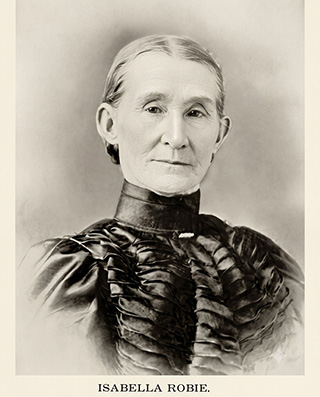 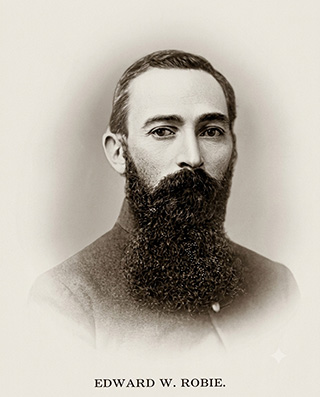 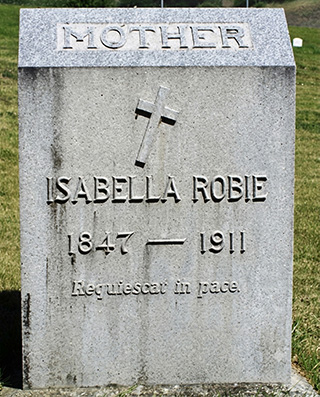 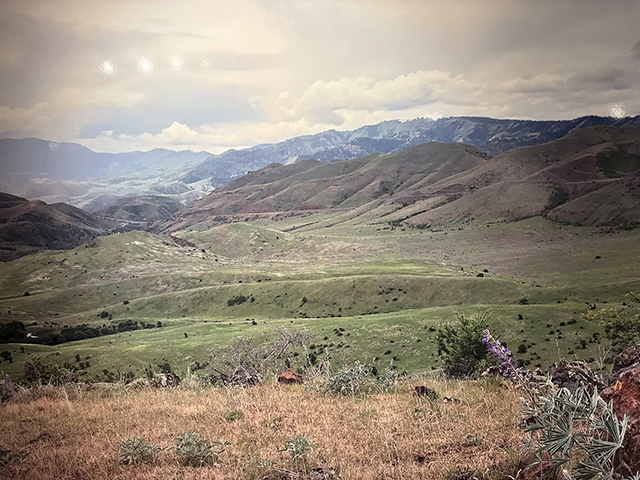 White Bird Hill, site of an early battle in the Nez Perce War.
|
|
|
|
|